Column · @thescottishorthodonticsspot
Invisalign Scotland: A Clearer Path to Straighter Teeth
When I first started looking into orthodontic treatment as an adult, I felt a bit self-conscious about the idea of wearing traditional metal braces. The thought of having a mouth full of brackets and wires at work meetings or social events was not exactly appealing. That is when I began researching the options available closer to home, and I kept coming across the same name: Invisalign. For anyone considering teeth straightening in Scotland, the choice between clear aligners and conventional braces comes down to more than just aesthetics. It involves thinking about your lifestyle, your budget, and how much time you are willing to commit to appointments.
Invisalign aligners are made from a smooth, transparent plastic that fits snugly over your teeth. They work by applying gentle, controlled pressure to shift your teeth into better positions over time, much like traditional braces but with far less visual impact. One of the first things I noticed when I spoke to a local orthodontist was how many patients switch from metal braces to Invisalign simply because they can eat what they like. You remove the aligners before meals, brush your teeth, and pop them back in. There is no list of banned foods. No worrying about popcorn kernels getting stuck or accidentally breaking a bracket on a crusty roll.
I remember sitting in the waiting room of a clinic in Edinburgh, watching a teenager come out with a huge smile after having her Invisalign fitted. Her mum told me they had driven up from the Borders because the waiting list for NHS orthodontics was so long. That is where private options like scottishorthodontics invisalign scotland come into their own. You skip the long queues and get started on a treatment plan that fits your schedule. For adults especially, the convenience of fewer check-up visits compared to traditional braces is a real bonus. Most Invisalign systems require appointments every six to eight weeks, whereas fixed braces often need adjustments every four weeks.
How Invisalign Differs from Traditional Braces
The technology behind Invisalign has come a long way since it first appeared. Early versions were often criticised for being less effective on complex cases, especially severe crowding or deep bites. Modern iterations, particularly the Invisalign Comprehensive system, can handle most of the same corrections that metal braces can. The key difference is that you wear a series of aligners, each one slightly different from the last, to move your teeth incrementally. With fixed braces, the orthodontist tightens wires at each appointment. With Invisalign, you switch to a new set of aligners every couple of weeks, and the progress is mapped out by 3D computer software before you even start.

That digital planning stage is one of the most impressive parts of the process. During a consultation, the orthodontist takes digital scans of your teeth, and the software shows you a simulation of how your smile will look at the end of treatment. I found this incredibly reassuring. You get a clear idea of the end result before any work begins. No guesswork, no hoping for the best. For someone who likes to plan ahead, that level of transparency is worth a lot.
Who Is a Good Candidate for Invisalign?
Not everyone is suited to clear aligners. Invisalign works best for people with mild to moderate crowding or spacing issues. Severe rotations or large gaps may still require traditional braces or a combination of treatments. Age is less of a factor than you might think. I have seen teenagers wear them just as easily as professionals in their forties. The main requirement is discipline. Because the aligners are removable, you have to be committed to wearing them for the recommended 20 to 22 hours a day. Slacking off on wear time will delay results and can even cause your teeth to shift back.
Another factor to consider is cost. Invisalign treatment in Scotland generally falls into a similar price bracket to ceramic or lingual braces, and it is typically more expensive than standard metal braces. However, many private orthodontic practices offer payment plans that spread the cost over the length of treatment. Scottish Orthodontics, for example, provides clear pricing upfront so there are no surprises halfway through. That kind of honesty is rare in healthcare, and it is something I appreciated when I was weighing my options.
What to Expect During Treatment
The first step is a consultation where the orthodontist examines your teeth, takes digital impressions, and discusses your goals. If you decide to go ahead, the clinic orders your personalised set of aligners from the lab. When they arrive, you attend a fitting session where the orthodontist shows you how to insert and remove them, how to clean them, and what to do if you feel any discomfort. Most people experience some pressure and tenderness for the first few days after switching to a new aligner, much like the feeling after getting braces tightened. This passes quickly, and paracetamol is usually enough to manage it.
One of the common questions I hear is about speech. Will the aligners make you lisp? For the first day or two, yes, a little. Your tongue has to get used to the extra material inside your mouth. But within a week, most people speak normally. I found that reading aloud to myself for ten minutes each evening helped speed up the adjustment. Another practical tip: always carry a small case and a toothbrush with you. You will need to remove the aligners before eating, and it is not always convenient to dash to a bathroom in a restaurant or at a friend's house. Planning ahead makes the whole experience smoother.

Retention: The Part Nobody Talks About
Once your active treatment finishes, the real work begins. Teeth have a strong memory, and they will try to drift back to their original positions unless you wear a retainer. Invisalign provides its own set of retention aligners, or your orthodontist can fit you with a fixed wire retainer bonded to the back of your teeth. Whichever route you choose, wearing retainers consistently is non-negotiable. I have seen too many people undo months of progress because they stopped wearing their retainers after six months. Your orthodontist will give you a schedule, and sticking to it is the single best investment you can make in maintaining your new smile.
Scottish Orthodontics emphasises this point strongly during consultations, and I think that is wise. They do not just hand you the aligners and wish you luck. They take the time to explain the full journey, including the maintenance phase. That kind of thoroughness is one reason scottishorthodontics invisalign scotland has built a solid reputation among patients who value clear communication and long-term results.
Comparing Invisalign with Other Clear Aligner Brands
Invisalign is not the only clear aligner system on the market. Brands like ClearCorrect and Spark offer similar products, sometimes at a lower price. However, Invisalign has the widest network of trained providers and the most extensive clinical data behind it. When you choose Invisalign, you are buying into a system that has been refined over two decades. The aligners are made from a proprietary material that is thinner and more comfortable than many generics. I have spoken to patients who tried cheaper alternatives and ended up switching because the fit was not as precise or the material caused gum irritation. In orthodontics, you really do get what you pay for.
That said, the skill of the orthodontist matters just as much as the brand of aligners. A poorly planned Invisalign treatment can lead to uneven results or prolonged treatment times. That is why it is worth choosing a provider who has significant experience with the system. Scottish Orthodontics, for instance, has clinicians who have completed advanced training specifically in Invisalign techniques. They know how to plan the sequence of aligners to minimise discomfort and achieve the best aesthetic outcome.
Life After Invisalign: What Changes
Finishing Invisalign treatment is a genuinely satisfying moment. You look in the mirror and see teeth that sit in the right places, gaps closed, overlaps gone. Eating becomes easier because your bite aligns properly. Cleaning your teeth gets simpler because there are no brackets trapping food. But the biggest change is often psychological. People smile more freely. They stop covering their mouth with their hand when they laugh. I have heard patients say they feel like a different person, and that is not an exaggeration. Orthodontic treatment changes your face in subtle ways, and those changes can boost your confidence in ways you did not expect.
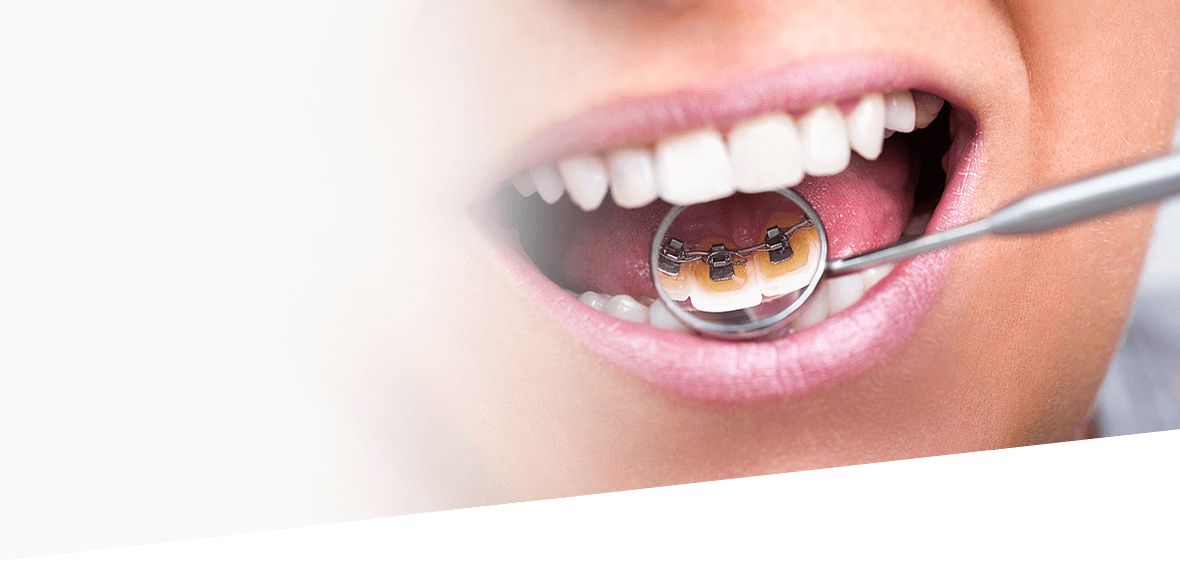
If you are based in Scotland and considering Invisalign, the practical steps are straightforward. Book a consultation with a reputable orthodontic practice, ask to see examples of their previous cases, and discuss the total cost including retainers. Do not be shy about asking questions. A good orthodontist will welcome them. And remember that the journey takes time. Most Invisalign treatments last between 12 and 24 months, depending on the complexity of your case. Patience pays off.
For anyone looking for a starting point, scottishorthodontics invisalign scotland is a phrase worth remembering when you search online. It points you toward a practice that combines clinical expertise with a patient-centred approach, exactly the combination you need when you are investing in your smile.
 Facebook
 Instagram